When planning a video project, it’s easy to get overwhelmed by industry titles like videographer, cinematographer, and production company. While these roles can all contribute to creating video content, they answer two different questions.
First, who is responsible for creating the images?
Second, who is managing the production?
Understanding both can help you choose the right creative partner for your project’s goals, budget and scope.
Step 1: What type of visual expertise does your project need?
The first decision is about the person behind the camera. Are you looking for someone to efficiently capture an event or interview, or someone whose primary responsibility is crafting the visual style of a story?
Videographer: Capturing the moment
A videographer is typically responsible for a project from start to finish. Many work independently or with an assistant. Often they also handle editing themselves.
Videographers are a great fit for:
- Weddings
- Small-business promotional videos
- Community events
Their focus is on efficiently capturing and producing video content. Many videographers manage every stage of production themselves, from filming and lighting to editing and final delivery.If your goal is to document an event, create a promotional video or produce straightforward marketing content, a videographer may be exactly what you need.
Cinematographer (Director of Photography): Crafting the visual story
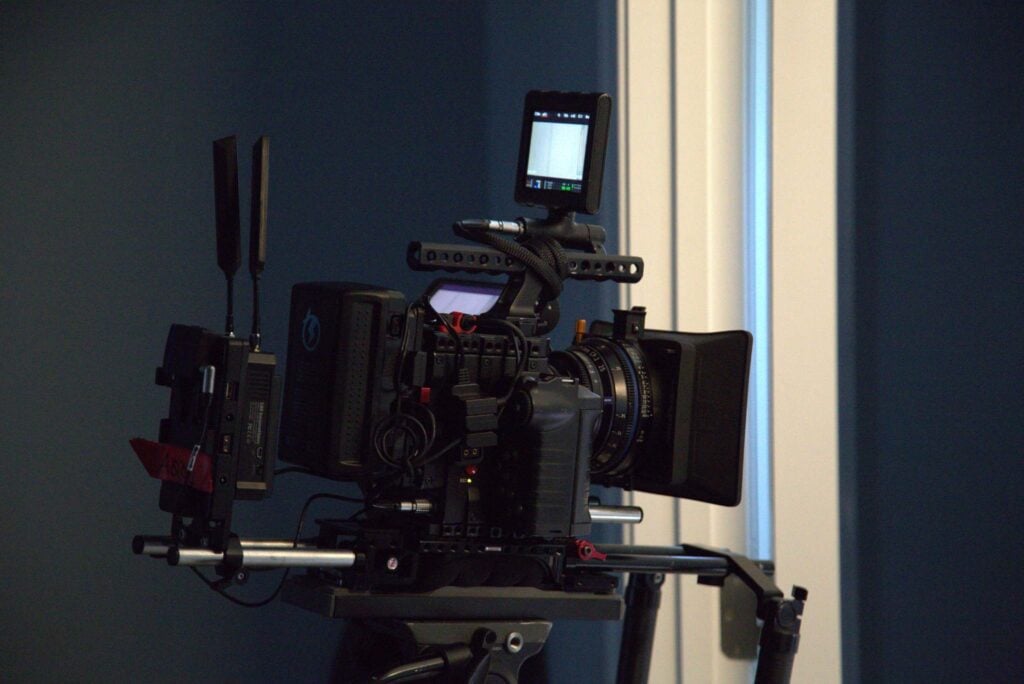
A cinematographer, also known as a Director of Photography (DP), is responsible for the visual language of a production. Beyond operating the camera, a cinematographer is responsible for the visual language of a production; they design how the story will look on screen through lighting, camera movement, composition and color.
Cinematographers typically collaborate with directors, producers and other crew members to create a cohesive visual style.
They’re commonly involved in:
- Commercials
- Brand films
- Documentaries
- Narrative films
- Television productions
If your project depends on cinematic visuals, emotional storytelling or a carefully planned aesthetic, a cinematographer brings the creative expertise needed to translate ideas into compelling imagery.
While there is often overlap between the two roles, a videographer is generally responsible for producing the video itself, while a cinematographer’s primary responsibility is crafting the visual style of the story.
Step 2: Who’s managing the production?
Once you’ve determined the level of visual expertise your project requires, the next question is who will oversee the production itself.
Some projects are handled by a single person from concept to delivery. Others require an entire team coordinated by a production company.
Solo creator: One person, many roles
A solo creator wears every hat throughout the production process. They may develop the concept, write the script, film the project, record audio, edit the footage, create graphics and publish the finished video. Many solo creators are also freelancers who serve businesses, nonprofits and organizations — not just YouTube creators or social media influencers.
This approach works especially well for:
- Social media content
- Small-business marketing
- Short promotional videos
The biggest advantages are flexibility and affordability. Working with one person also simplifies communication since there’s only one point of contact. The tradeoff is capacity. One person has limited time, equipment and specialized expertise. As projects become more complex, additional crew members and resources are often needed.
Production company: A team built around your project
A production company doesn’t simply provide additional people. It provides project management, creative leadership and specialized expertise, allowing clients to focus on their business while the production team handles everything else.
Depending on the project, a production company may provide:
- Creative strategy
- Scriptwriting
- Storyboarding
- Producers
- Directors
- Cinematographers
- Casting
- Hair and makeup
- Location scouting and permits
- Audio specialists
- Lighting crew
- Editors
- Motion graphics artists
- Color grading
- Sound design
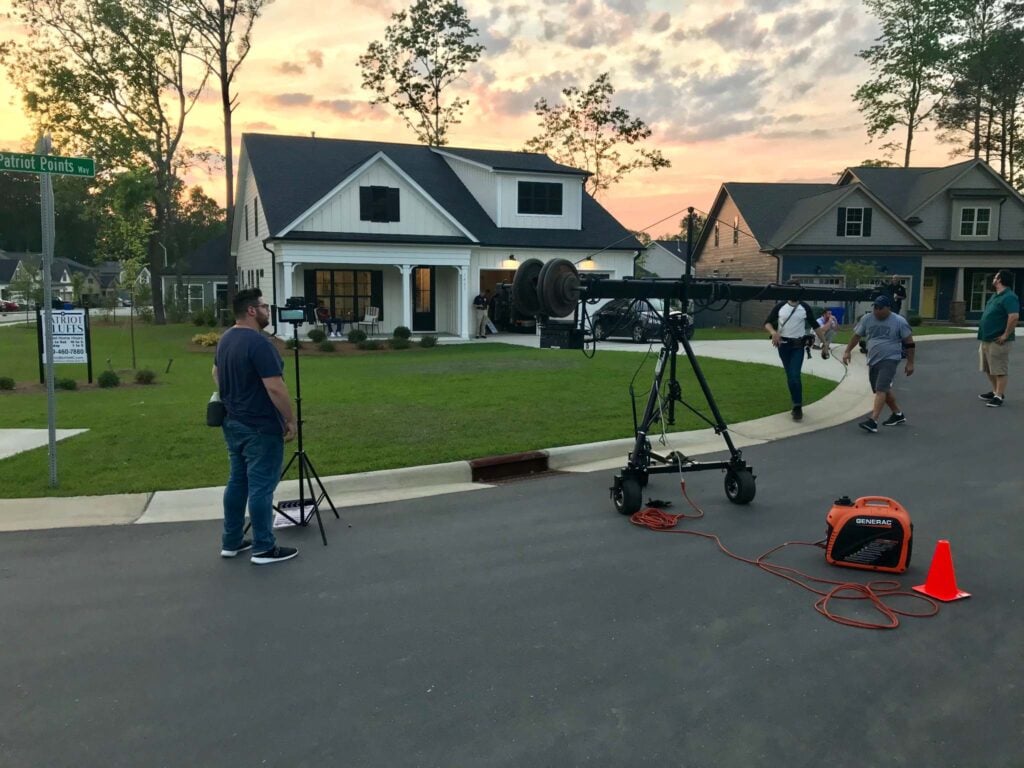
One of the biggest differences is scalability. A solo creator may work by themselves with a single camera. But a production company builds the crew and the equipment around the project’s specific needs, whether that’s two people or twenty.
This allows for more detailed planning, greater creative collaboration, specialized equipment and the ability to manage larger or more demanding productions efficiently.
Rather than simply filming a project, a production company can develop a strategy, coordinate logistics and deliver content designed to achieve specific business or communication goals.

Which option is right for your project?
There’s no universal answer, only the right fit for your objectives.
If you need straightforward event coverage, interviews or promotional content, a solo creator may be all you need.
If your project relies on cinematic storytelling, needs a larger-scale production or you’re looking for a long term strategy, working with a production company can provide the creative direction, planning and resources needed to bring your vision to life.
Understanding these two decisions, who creates the images and who manages the production, makes it much easier to choose the right partner for your project.
The Amazing Studios Difference
Throughout this article, we’ve used the term production company because it’s the phrase most people are familiar with. At Amazing Studios, we think of ourselves as a creative video agency because our role extends well beyond production. We help clients shape strategy, refine messaging, develop creative concepts and campaigns, and then bring those ideas to life through video, animation, photography and design. Production is what we do. Creative partnership is what we provide.
At Amazing Studios, we don’t believe every project needs the biggest crew. We believe every project deserves the right team that can provide more than just strong visuals. It deserves a thoughtful storytelling strategy that helps your audience understand who you are and why it matters. As a full service production company, our team combines creative storytelling with professional production to help businesses, organizations and brands create videos that inform and inspire action. We serve as a turnkey creative partner, supporting every stage of the process, from concept development and planning to production, post-production, and delivery — so you have a seamless experience from start to finish.
Whether you need a single interview, a commercial campaign, event coverage, branded content or a full-scale production, we assemble the right team for your project so every detail is managed with care. Rather than coordinating multiple vendors or building a new workflow for every project, our team can operate as an extension of yours, helping identify the right creative approach, manage logistics, execute production, and deliver content that supports your communication goals over time. Because a great video isn’t just about what appears on screen. It’s about every step taken along the way.